The local elections in Croatia for 2025 represent one of the most significant political events at the municipal, city, and county levels. The first round of elections was held on Sunday, May 18, 2025, and citizens elected their representatives in a total of 576 units of local and regional self-government – in 428 municipalities, 127 cities, 20 counties, and in the City of Zagreb.
What is chosen in local elections?
Members of representative bodies: municipal and city councils, county assemblies, and the City Assembly of the City of Zagreb.
Executive power: municipal heads, mayors, prefects, and their deputies.
Deputies from national minority groups are elected in units where the law prescribes it.
Key dates and the course of the election process
The Government of the Republic of Croatia decided on April 14, 2025. The first round of elections will be held on Sunday, May 18, 2025.
A second round, if necessary, will be held on Sunday, June 1, 2025, for mayors and prefects if no one wins more than 50% of the vote in the first round.
Who is entitled to vote?
All citizens of the Republic of Croatia of legal age who reside in Croatia. Citizens of other EU member states living in the Republic of Croatia may elect members to their representative bodies. Voting is possible only at the polling station according to the residence address; there is no possibility to change the polling station.
Candidacy and election campaign
Candidate lists and candidacies had to be submitted to the competent election commissions within 14 days of the election announcement.
Election campaigning begins with the publication of the summary lists of candidates and lasts until 24 hours before the election day. Election silence applies on election day and the day before – public presentation of programs, persuasion of voters, and publication of results evaluations are prohibited.
Method of voting
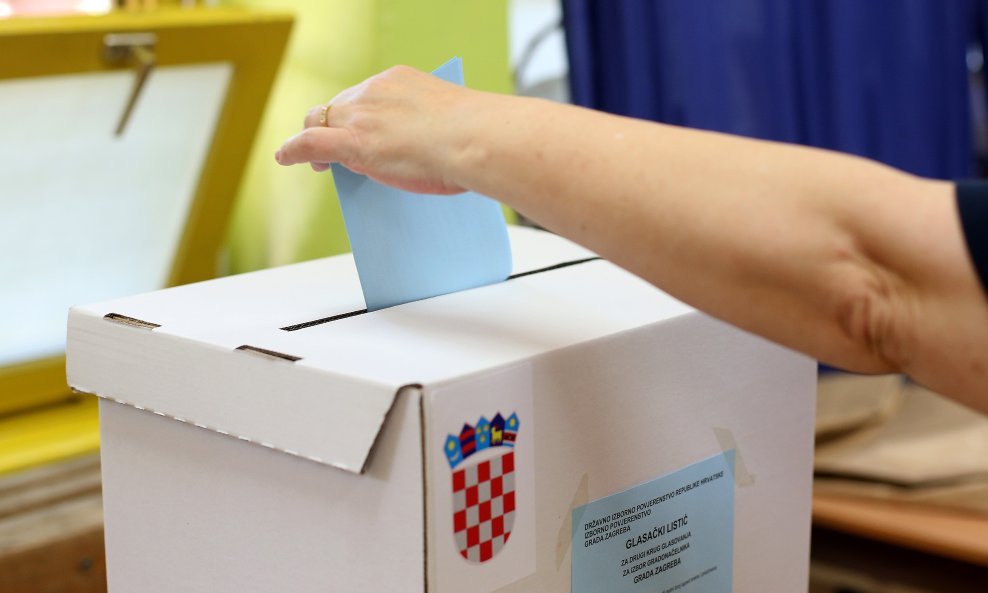
Voting is done exclusively with a ballpoint pen on the ballot paper, which is then folded and inserted into the box.
There are no special polling places designated for nursing homes, penitentiaries, ships, or soldiers on active duty. Home users can request the arrival of the polling committee according to the procedure for voting from home.
Special features and news of the 2025 election
Number of candidates: Approximately 31,000 candidates competed in these elections, which is 7,700 fewer than in the previous election four years ago. It is not possible to vote outside the place of residence. Voters can check and update information in the voter register until May 7, 2025.
First round: What is chosen and how is it decided?
In the first round, council and assembly members are elected, and a candidate who wins more than 50% of the votes is elected as mayor and prefect.
If no one wins an absolute majority, the two candidates with the most votes go to the second round, and the winner is the one with the most votes in the second round.
Significance of local elections
Local elections directly affect the daily lives of citizens, from communal infrastructure, kindergartens, schools, and public transport to cultural and sports facilities. That is precisely why attending elections and selecting local representatives has a long-term impact on the development of towns, cities, and counties.
Key information summary
| What is chosen? | When? | Who votes? | How do you vote? |
|---|---|---|---|
| Councils, assemblies, chiefs, mayors, prefects | May 18, 2025 (first round) | All adult citizens of the Republic of Croatia with residence, EU citizens with residence | All adult citizens of the Republic of Croatia with residence, and EU citizens with residence |
The first round of local elections in 2025 will be held on May 18, and citizens will elect representatives to govern all local and regional self-government units. These elections are crucial for the daily life and development of local communities, and the rules and procedures ensure the transparency and equality of all voters
About the Author