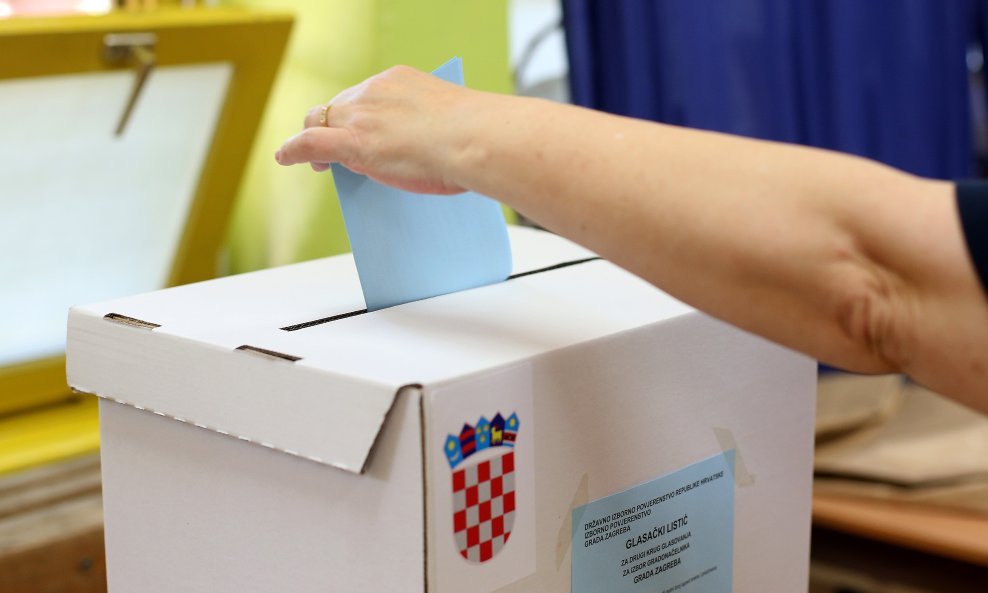
The second round of voting in the local elections in Croatia took place on Sunday, June 1, 2025. This round was crucial for the election of prefects, mayors, and chiefs in units where, in the first round, none of the candidates won a majority of votes.
What was chosen in the second round?
In the second round, prefects, mayors, municipal heads, and their deputies were elected in counties, cities, and municipalities where no candidate had received a majority in the first round. The second round took place in 13 counties and the City of Zagreb, in 46 cities and 61 municipalities. The two candidates with the most votes from the first round competed against each other in each electoral district.
How was the vote?
They are open from 7 a.m. to 7 p.m. Voting was done exclusively at the polling station according to the address of residence, with the presentation of an identity card or other identification document.
The names of two candidates were listed on the ballot, and the voter circled the one for whom they were voting. The candidate with the most votes becomes the elected county prefect, mayor, or head of the municipality.
All adult citizens of the Republic of Croatia residing in the area of the unit for which the elections are held, as well as citizens of other EU members living in the Republic of Croatia (for representative bodies), were present.
Why is there a second round?
The second round is necessary when in the first round no candidate for prefect, mayor or mayor wins more than 50% of valid votes. In this case, the two candidates with the most votes go to the second round, where the one with the most votes wins.
Ensure that the elected official has the clear support of the majority of voters.
The course and significance of the election
The second round traditionally records a slightly lower turnout compared to the first, but it is crucial for the final distribution of power in local areas. The decisions made in the second round will directly impact the management of counties, cities, and municipalities over the next four years.
| CITY | CANDIDATES | WINNER AND % OF VOTES |
|---|---|---|
| Zagreb | Tomislav Tomašević vs. M. S. Raspudić | Tomašević (57,56%) |
| Split | Tomislav Šuta vs. Ivica Puljak | Šuta (53,19%) |
| Rijeka | Iva Rinčić vs. Marko Filipović | Rinčić (65%) |
How did the elections go?
Election Day passed without any major incidents, with standard procedures and supervision by the State Election Commission. The first provisional results were announced in the evening, and the final results were announced after all polling stations had been processed.
The second round of local elections in 2025 was decisive for the election of the executive power in numerous areas throughout Croatia. It was held under strict rules to ensure the legitimacy and democratic election of local leaders. The results brought changes in some cities and counties, while in others the current holders of power were confirmed, thus rounding off another vital phase of Croatian democracy.
About the Author