The election of a new pope is one of the most sacred and strictly guarded processes of the Catholic Church, known as the conclave. This process takes place in the Vatican, in complete secrecy, according to strict rules and centuries-long tradition.
Who chooses the Pope?
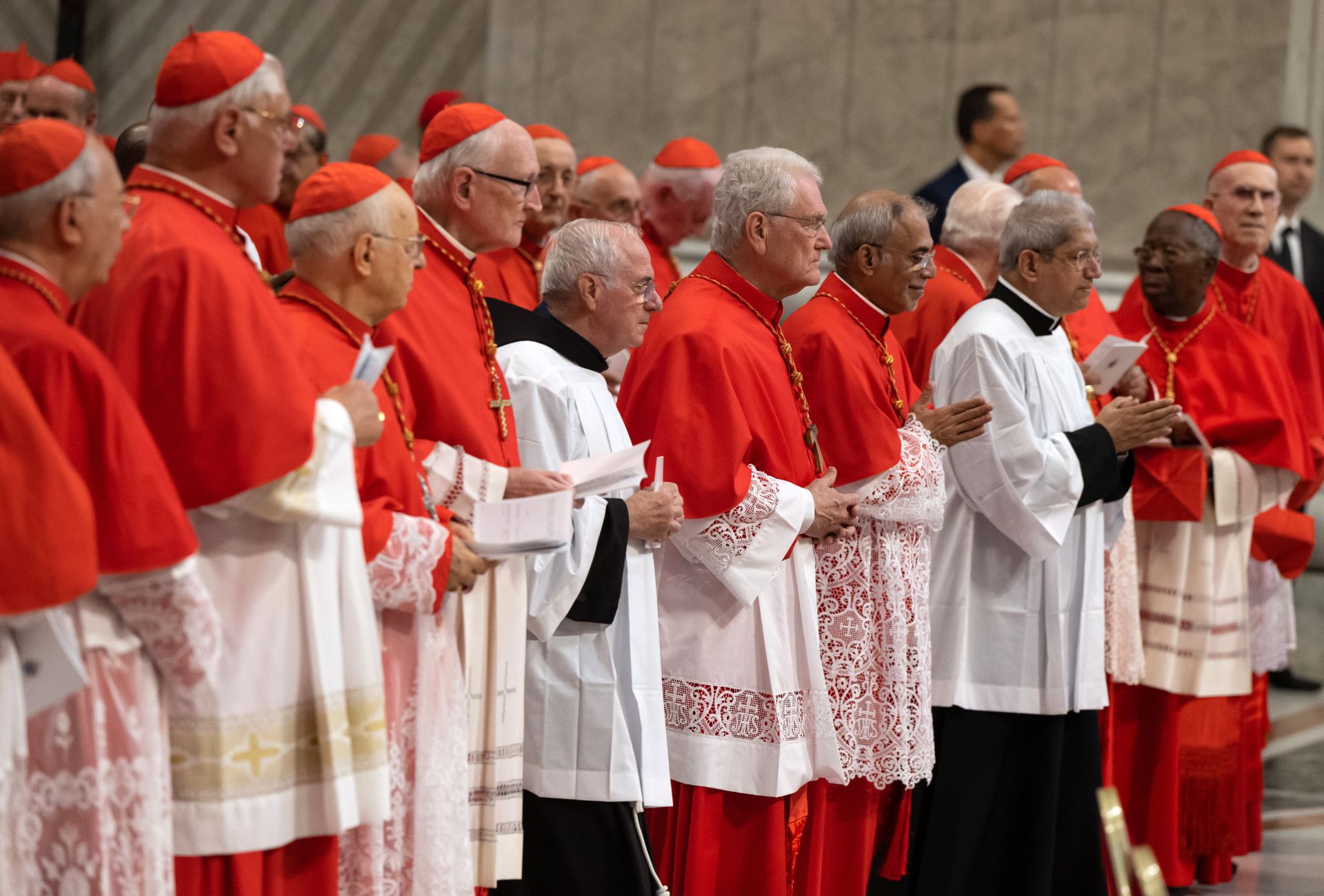
The College of Cardinals elects the Pope. All cardinals younger than 80 years old on the day the conclave begins have the right to vote. There are currently around 130-140 of them, and the number varies depending on the current composition of the Choir.
In theory, any baptized Roman Catholic man can be elected pope; however, in practice, a cardinal is typically chosen.
When and where does the election take place?
The conclave begins no earlier than 15 and no later than 20 days after the death or abdication of the previous pope, allowing for the arrival of all cardinals from around the world. The selection takes place in the Sistine Chapel in the Vatican, under lock and key and in complete isolation from the outside world.
Preparation and course of the conclave
Before the start of the election, the cardinals participate in the “Pro eligendo Pope” mass and joint prayers. All cardinal electors enter the Sistine Chapel. With a cry of “Extra omnes” (“Everybody out!”), The doors are locked, and the cardinals remain isolated until the election of the Pope.
There is no telephone, internet, or contact with the outside world. All participants take an oath to maintain secrecy and respect the rules of the conclave.
Voting procedure
Each cardinal writes the name of his candidate on a separate slip, making sure that the handwriting is not recognizable. The slip is folded and inserted into a special box on the altar.
Three elected cardinals count the votes. A two-thirds majority of all cardinals present is required to elect a pope. Up to four rounds of voting are held daily (two in the morning, two in the afternoon), until someone gets the required majority.
The symbolism of smoke
If no one is elected, the ballots are burned with a special mixture that creates black smoke – a sign to the world that the pope has not yet been elected.
When someone achieves a two-thirds majority, the ballots are burned without additions, so white smoke emerges from the chimney—a sign that a new pope has been elected.
Acceptance and publication of elections
The elected cardinal was asked if he accepts the election. If he agrees, he chooses a papal name. The chief cardinal deacon steps out onto the balcony of the Basilica of St. Peter and announces: “Habemus Papam!” (“We have a pope!”), After which, the new pope comes out and gives the first blessing.
Summary of the procedure
| PHASE | DESCRIPTION |
|---|---|
| Preparation | Mass, prayer, oath, seclusion of cardinals |
| Voting | Secretly, up to four rounds per day, two-thirds majority |
| Smoke symbolism | Black smoke – no choice, white smoke – chosen pope |
| The acceptance | Mass, prayer, oath, and seclusion of cardinals |
| Publication | “Habemus Papam!” and the new Pope’s first public appearance |
Why is the procedure like that?
Secrecy and isolation guarantee independence and freedom of choice, free from external influences. The spiritual dimension emphasizes the importance of prayer and conscience of each cardinal.
Traditional rituals and symbolism (such as smoke, an oath, and the Sistine Chapel) preserve the continuity and historical significance of the choice. This process, dating back more than 700 years, ensures that the Catholic Church has a leader chosen in a spirit of prayer, responsibility, and tradition.
About the Author