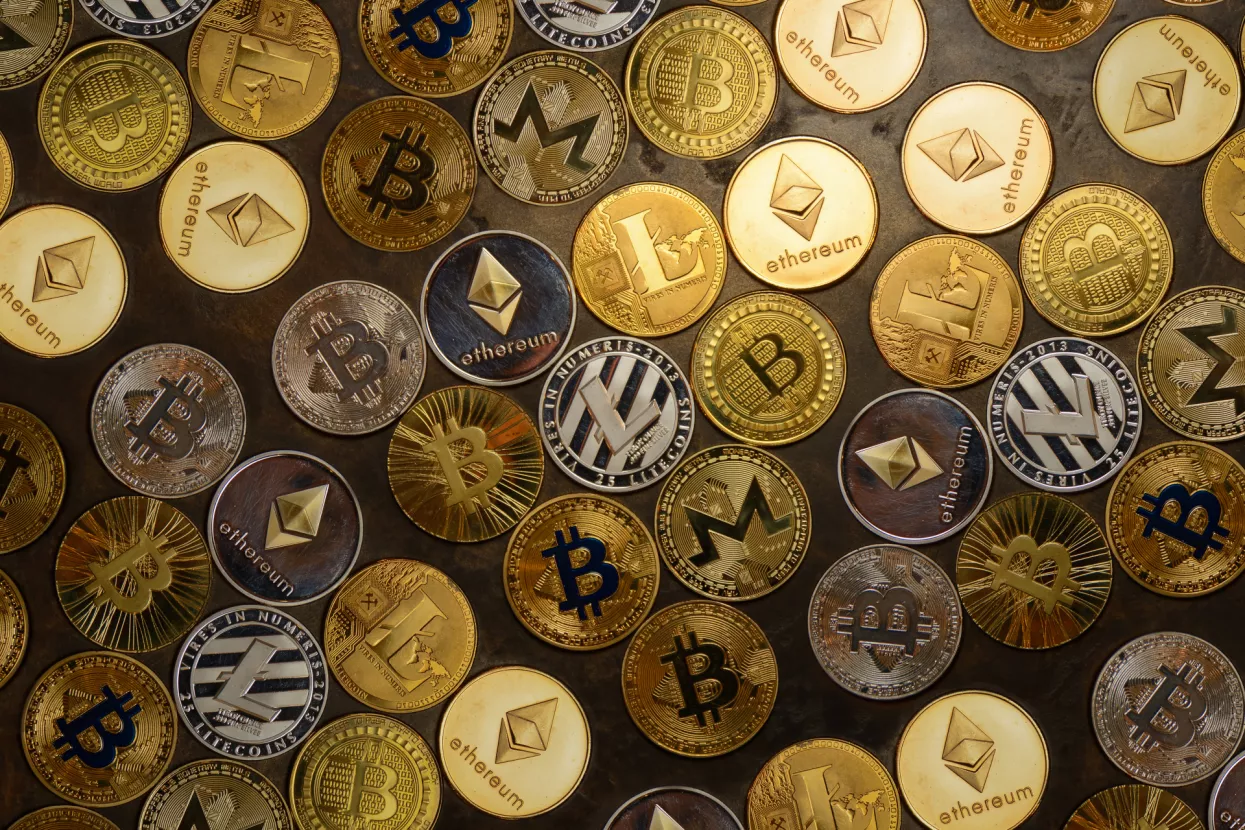
In 2025, the cryptocurrency market is reaching record levels, with a total market capitalization exceeding $ 3.9 trillion. Bitcoin trades above $ 118,000, while Ethereum surpasses $ 3,600. Leading projects such as Solana, Binance Coin, XRP, and Dogecoin have achieved significant successes, attracting investor attention due to their innovations and potential for rapid growth. Institutional investors increase market liquidity through ETFs and large-scale investments, while the DeFi segment continues to attract capital via platforms offering yields on stablecoins and other digital assets.

On this volatile crypto market, investors allocating 40 percent of their portfolio to this segment often base their strategy on a mix of established “blue-chip” projects and innovative altcoins. An example of a successful, balanced portfolio includes 18 percent of total assets in Bitcoin, 9 percent in Ethereum due to its foundational role in decentralized finance, 8 percent in major altcoins such as Solana, Binance Coin, and XRP, with about 3 percent directed to innovative projects related to DeFi, artificial intelligence, and ESG themes. The remaining 2 percent is held in stablecoins like USDT or USDC, which provide quick liquidity and opportunities for opportunistic buys or participation in DeFi protocols.
Investors with a higher risk tolerance may increase their allocation to altcoins and highly volatile tokens, such as Dogecoin, Shiba Inu, Sui Network, or relevant AI tokens. Portfolios of this profile might include 30 percent Bitcoin and Ethereum, 50 percent higher-volatility altcoins, and up to 20 percent small startup and microcap projects, which carry high potential returns but also increased risk of loss.
For more conservative investors, a portfolio relying predominantly on Bitcoin and Ethereum is recommended – for instance, allocating 80 percent of the crypto portion to these two, with the remainder spread among mid-cap coins like Solana, Chainlink, or Polkadot, as well as innovative projects. This structure emphasizes stability and lower exposure to sudden market corrections.

Regular portfolio rebalancing is necessary in high-volatility conditions as it helps maintain the targeted crypto allocation and risk exposure. Applying strategies like cost averaging—gradual investment over time—helps reduce the impact of short-term price fluctuations. Innovative trends in 2025 include the growth of tokenization of tangible assets, strong integration of DeFi with traditional finance, and the development of ecosystems based on artificial intelligence.
Investors are advised to align their investment strategies with their personal goals and risk tolerance, and closely monitor regulatory changes and technological innovations that may impact portfolio value. It is also crucial to use secure methods for storing digital assets, diversify investments, and actively follow market movements to maximize opportunities and minimize potential losses. By combining blue-chip cryptocurrencies as a core and innovative projects with a smaller share, an investor can build a portfolio prepared to face challenges and leverage the benefits of the modern digital market.

About the Author