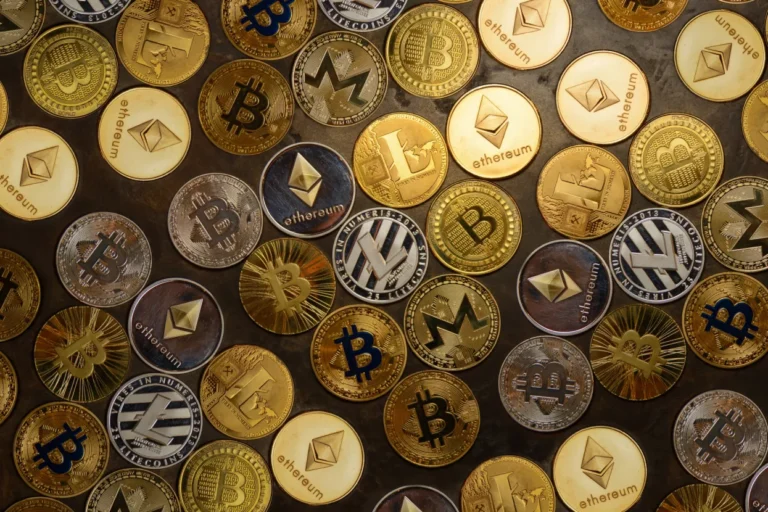
Cryptocurrencies have become a very popular form of investment and financial innovation in recent years. However, due to their new technology and the lack of full regulation, the market has also become a fertile ground for various types of scams. For this reason, investors must recognize the early signs of potential fraud to protect their financial resources and minimize the risk of loss.

One of the most critical indicators of a crypto scam is the lack of clear and transparent information about the project itself. It often happens that fraudulent projects lack a genuine, tangible business model or technology, and information about the founders and team is unclear, incomplete, or even fabricated. In such cases, it is almost impossible to verify who stands behind the project, which should raise suspicions about the business.
Another common characteristic of crypto scams is the promise of high, almost guaranteed returns without any risk. Since the cryptocurrency market is known for its volatility and large price fluctuations, any claim of quick and safe profits that cannot be jeopardized should immediately raise suspicion and caution. Such messages are often accompanied by aggressive marketing campaigns spread via social media, emails, or unverified influencers, with pressure on investors to invest quickly because the opportunity might “disappear” soon. This feeling of urgency and disproportionate pressure on decision-making is usually part of the scammers’ tactics intended to spur impulsive, unthoughtful investments.
Furthermore, fraudulent projects often encourage communication outside of regular, official channels. For example, instead of keeping all information and transactions within verified platforms, they may ask investors to contact them via private messages, unverified apps, or forums where malicious attempts to steal data, such as private keys, can more easily go undetected. When someone asks you to share sensitive information, especially private keys or seed phrases, it is almost a sure sign of fraud because legitimate projects will never request such data.

Another warning sign is trading platforms or wallets that operate without regulatory licenses, are not transparent about their ownership or security protocols, and often appear on unofficial lists. Fake exchanges and wallets may lure users with “too good to be true” offers but ultimately serve only to steal investors’ funds. It is also not uncommon for scammers to use pyramid or Ponzi schemes, where financial gains paid to investors come solely from new members’ deposits rather than from actual business success, creating an illusion of profit that is doomed to collapse.
Another trap is the use of copied websites, marketing materials, or apps that closely resemble those of known and verified projects. In this way, scammers attempt to win over mistrustful investors who do not thoroughly verify information sources. Such scams often spread through fake profiles of famous people who promote a product or platform, further deceiving inexperienced users.

To protect oneself effectively against such scams, investors should first thoroughly verify the credibility of each project. This involves carefully studying the official website, information about key team members, and seeking independent opinions and reviews on trusted crypto forums or specialized media. It is also essential to use only reputable and regulated cryptocurrency exchanges and wallets that have undergone rigorous checks and have a proven track record of safe operation. The security of digital assets is further enhanced by using two-factor authentication and careful safekeeping of private keys—origin and responsibility for this data should never be entrusted to anyone else.
Alongside this, it is essential to listen to and follow official financial market regulators, as they regularly issue warnings and lists of suspicious projects or scam schemes. Adhering to the principle of not investing more money than one can afford to lose is also a key step in protecting against financial losses. Crypto investments inherently carry risks, so responsible behavior and a high degree of caution are crucial for long-term success.
Ultimately, every digital currency investment should be accompanied by a high level of risk awareness and a healthy dose of skepticism toward offers that seem “too good to be true.” Only continuous education, use of proven tools, and strict adherence to security recommendations can help protect assets and prevent investors from falling victim to sophisticated crypto scams.

About the Author