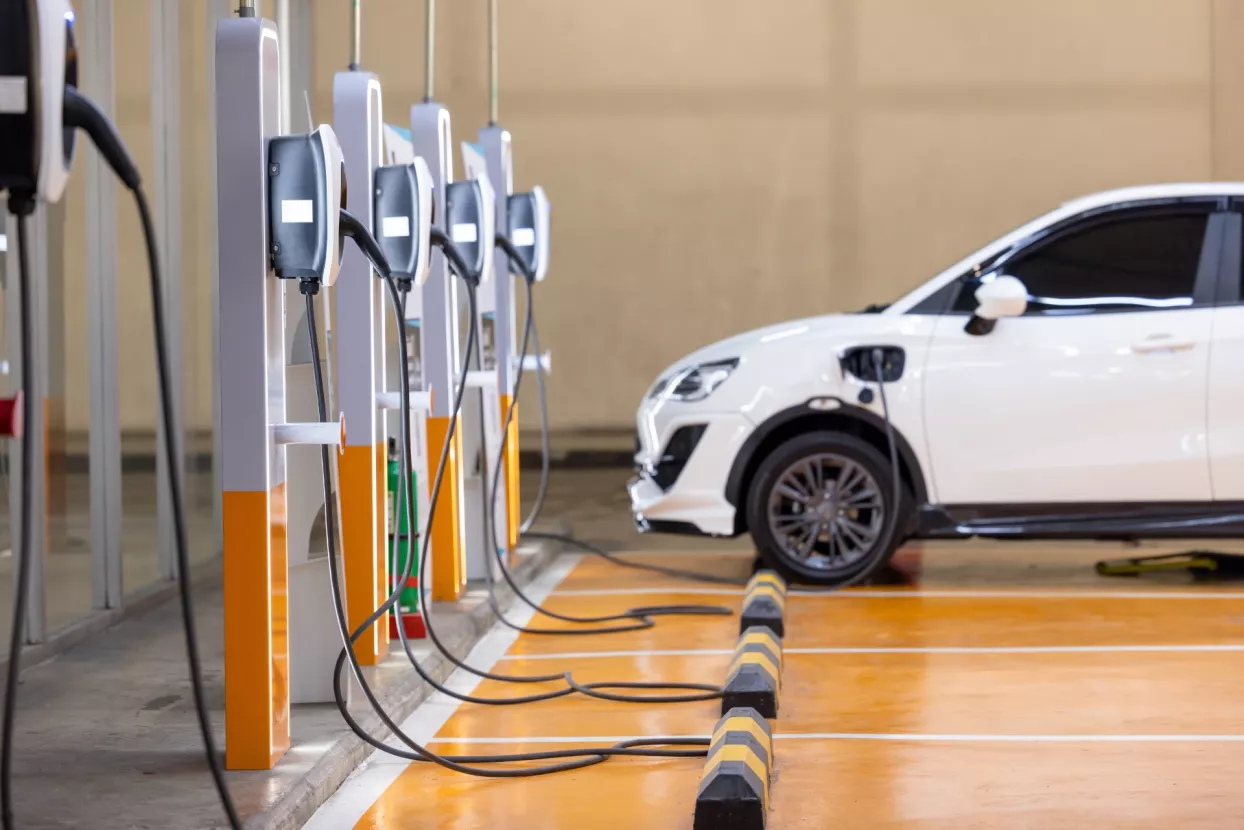
In the Republic of Croatia, the number of electric vehicles is rapidly growing, which powerfully highlights the urgent need to expand the network of publicly accessible charging stations.

Electric mobility is increasingly becoming a reality on Croatian roads, and the state, local communities, and entrepreneurs face the challenge of providing infrastructure that will keep pace with this technological and ecological transition. Given the accelerating growth in electric car numbers and stricter European climate standards, it is essential to understand the development of charging stations, their importance, optimal locations, implementation, and future deployment plans.
Electric vehicles run on battery power that requires regular charging, so the availability and density of charging stations directly affect the daily mobility of citizens and tourism. With the increasing intensity of electric vehicle traffic, drivers face challenges related to limited driving range and the lack of reliable charging points on roads, in cities, rural areas, and critical transit locations such as highways and tourist destinations. Without sufficient charging infrastructure, the transition to electric mobility is significantly hampered, while any infrastructure bottlenecks can slow national goals related to decarbonization and greenhouse gas emission reductions.
One of the primary reasons for the urgent expansion of the charging network is the sharp increase in the number of electric vehicles. According to official data, the number of electric cars in Croatia is growing at a double-digit annual rate. At the same time, the European Union is imposing increasingly strict quotas to reduce the sales of fossil fuel vehicles. Another reason is the influx of foreign tourists arriving with electric cars, which, during the summer months, further strains the existing infrastructure. Estimates indicate that during the tourist season, demand for charging often exceeds the technical capacity of certain cities and highway locations.

The new infrastructure must be strategically placed in urban areas, large shopping centers, business zones, parking lots, along main roads, and especially on highways and at key tourist spots, such as entrances to national parks and Adriatic ports. Beyond physical location, it is essential to provide easy access for users, digital support such as online reservation systems and real-time occupancy information, a variety of connector types, and expanded capacity for fast and ultra-fast charging.
The process of building new charging stations requires cooperation among local authorities, private investors, national funds dedicated to energy transition, and European development instruments. European funds, the national Environmental Protection and Energy Efficiency Fund, and incentives from both public and private sectors play a significant role in financing. Charging stations can be installed as publicly accessible points on high-traffic locations, owned by private companies, or integrated as part of comprehensive urban and tourist solutions, including innovative systems for energy efficiency and the use of renewable energy sources.
The upcoming years are critical for developing this infrastructure. New European Union regulations mandate a minimum number of charging stations along main European transport corridors and require that by 2030, member states, including Croatia, significantly increase the number of electric vehicle charging points and enable charging up to 80% of battery capacity in a very short time.

The future of electric mobility in Croatia will depend on the ability of the government and private sector to jointly design, finance, and implement a charging station network that can respond to rapid market changes. The introduction of “smart” chargers that optimize electricity distribution, integration with solar and wind power plants, the development of digital user platforms, and the encouragement of new business models, such as fast battery swapping or contactless payment, represent key steps toward sustainable urban and road mobility. Strategies like “plug-and-charge” authentication and expanding service levels along northern, coastal, and cross-border routes will further enhance benefits for users and the economy.
Additionally, educating citizens, encouraging the use of electric public transportation, and supporting local innovations will be crucial for achieving long-term behavioral change and broader acceptance of electric mobility. A comprehensively planned and strategically expanded charging station network will enable Croatia to meet environmental goals, develop tourism, strengthen energy independence, and improve the quality of everyday life for its citizens.
Without decisive and prompt construction of new charging stations, there is a serious risk of slowing down the eco-transition and falling behind European mobility standards. Therefore, it is crucial to accelerate the planning and implementation of new infrastructure and to carry it out transparently while maximizing the use of domestic and European resources.

About the Author